
Explore
Our Approach
Lazy Head has been shaped by decisions that go beyond what’s typical for aggregate operations of this size.
Innovation
Enclosed Processing
The First of Its Kind in North America
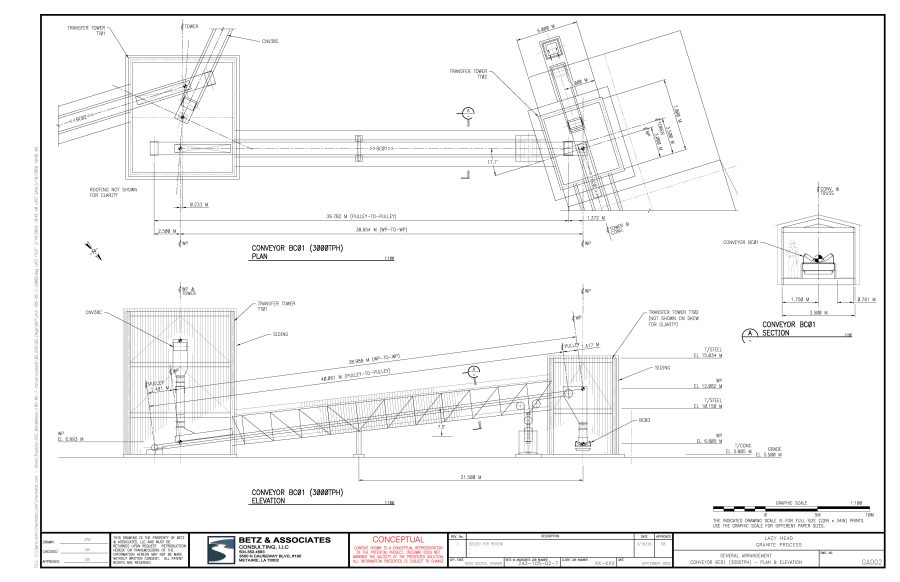
The Project’s primary, secondary, and tertiary crushers and screens will operate inside fully enclosed buildings, with conveyors fully covered from the processing plant to the marine terminal. Together with the depressed plant siting, this substantially reduces fugitive dust, noise, and light leaving the site. No aggregate operation on the continent has been built this way before — and we expect it to become the standard for new quarry builds at this scale.
Download Full Size File
Community
A Commitment to Giving
A Long-Term Part of the Community
The multiple funds described in the Community section are committed for the full operating life of the Project — approximately 85 years. The Community Liaison Committee will operate continuously. The Project’s local hiring preference and training commitments are similarly long-term. Lazy Head is not a project that intends to extract value and move on; it is intended to be part of the regional economy for nearly a century.
Smaller Footprint
Reduced Terminal Footprint
Carefully Designed to Limit Disruption
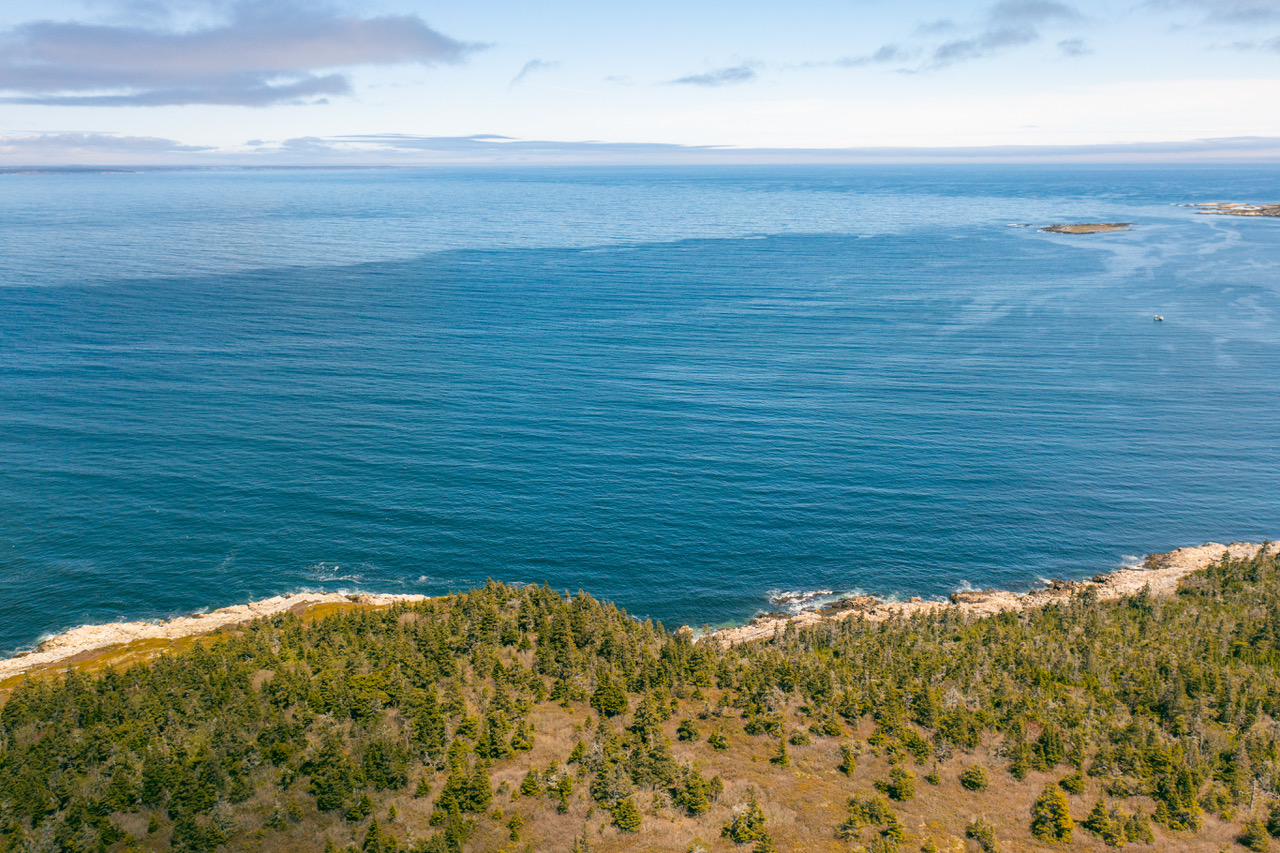
The marine terminal has been designed to minimize its physical footprint in Chedabucto Bay. Early designs extended approximately 420 metres from shore to access deeper water and accommodate larger Panamax-class vessels. After further engineering review and environmental and fisheries consideration, the terminal was shortened by over 40% to approximately 270 metres from shore and reconfigured to service smaller Ultramax-class vessels. The result is a compact terminal with significantly less marine infrastructure than originally contemplated.
Several design features support this compact footprint: a captive floating barge berths vessels across the full tidal range without the need for a long, fixed structure; twin radial-arm shiploaders load vessels efficiently from stationary positions, reducing both berth time and the structural footprint required for material handling; and no in-water dredging is required. Together these are deliberate design choices to limit disruption to the marine environment and to commercial fishing activity in Chedabucto Bay.